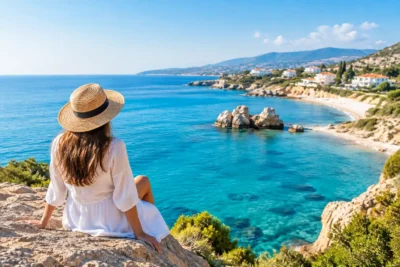
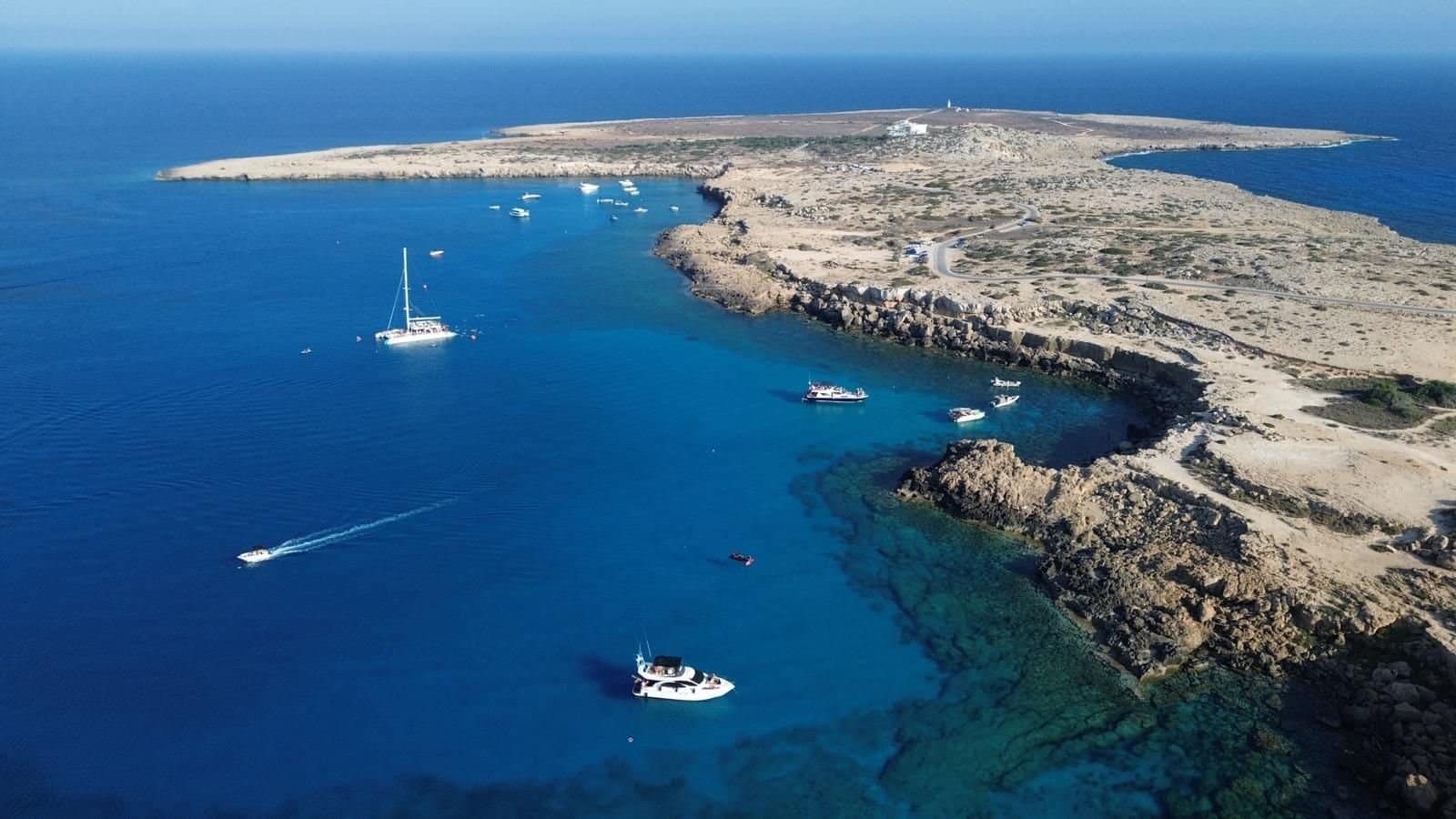
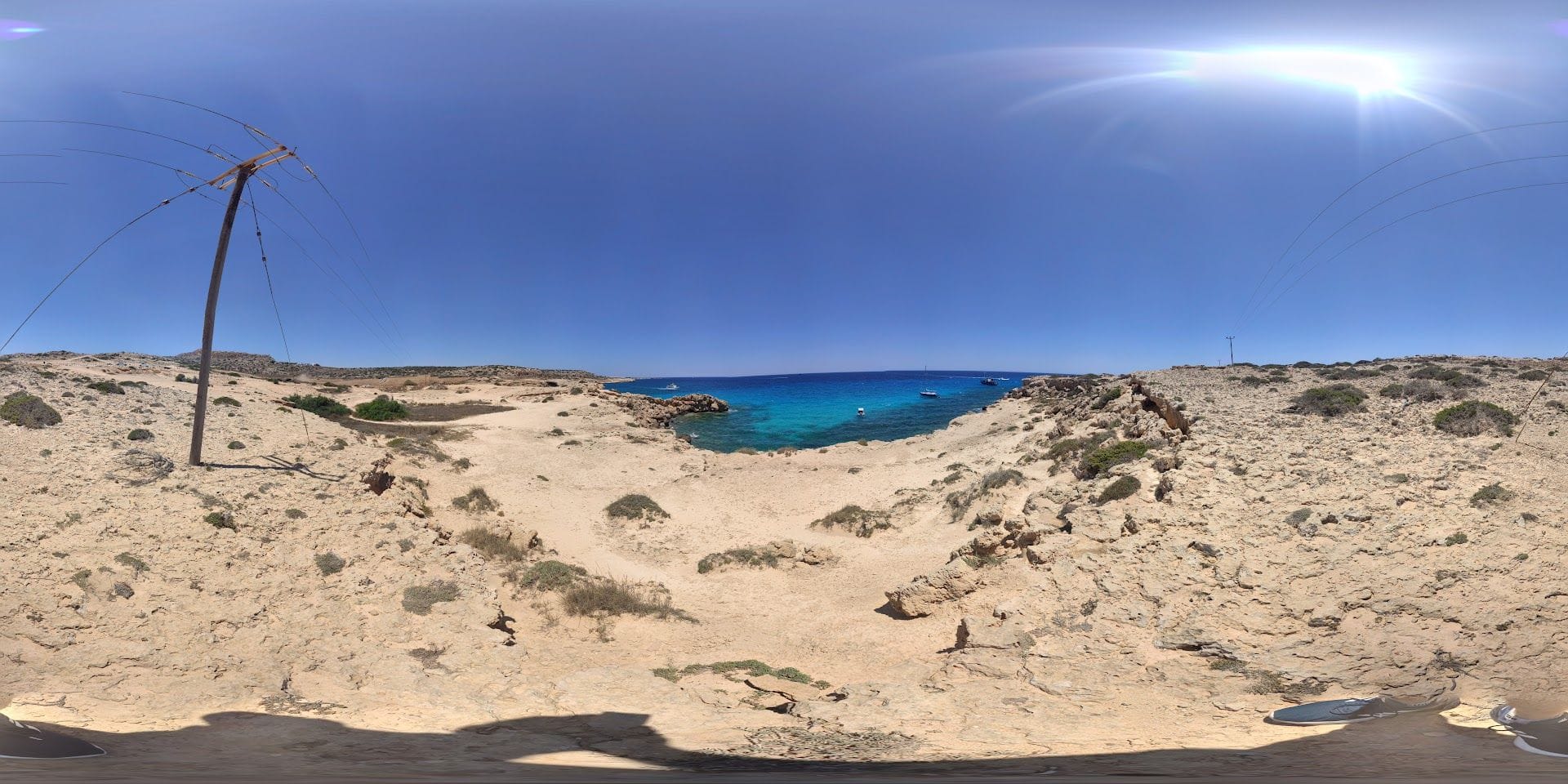
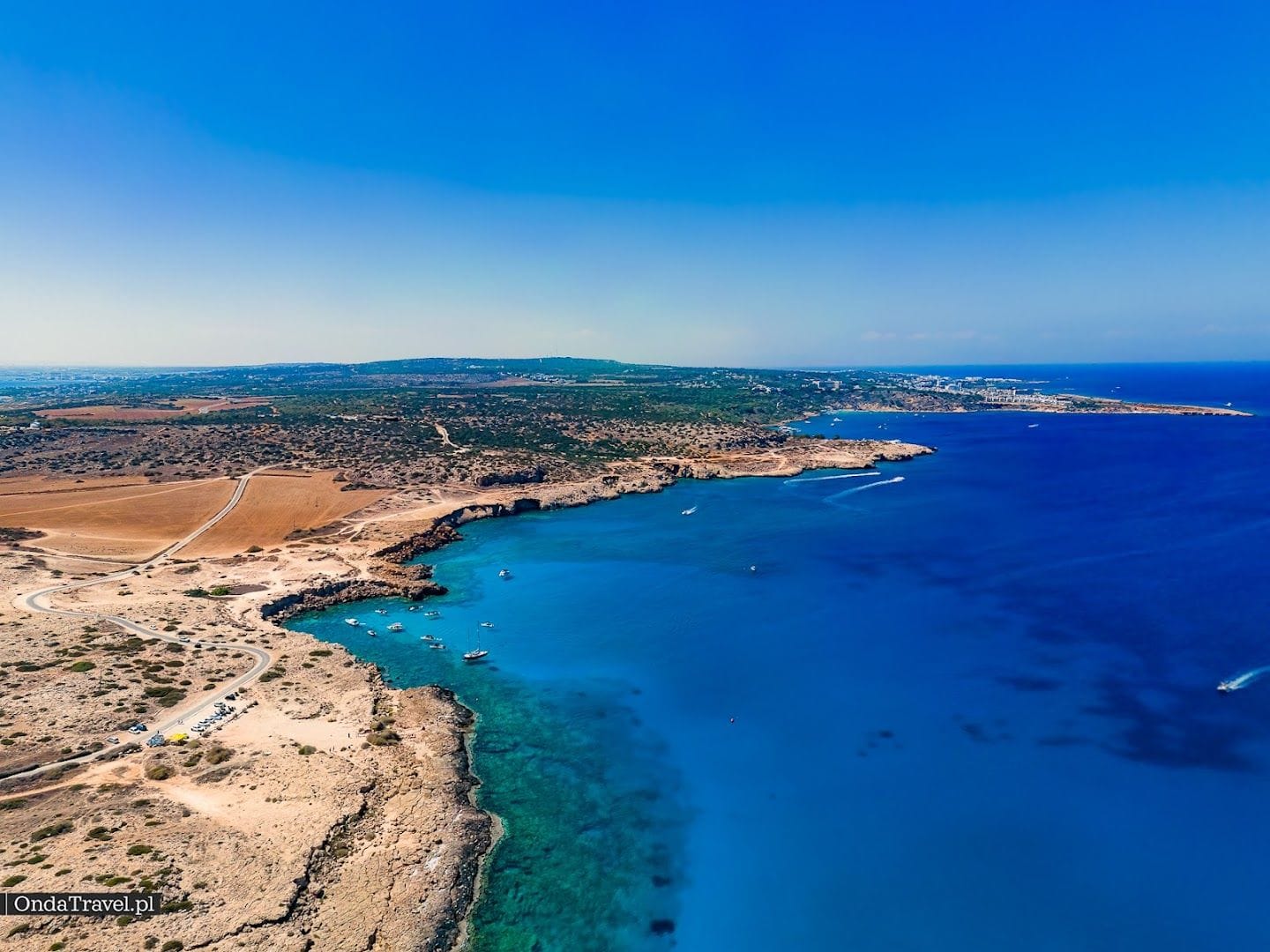
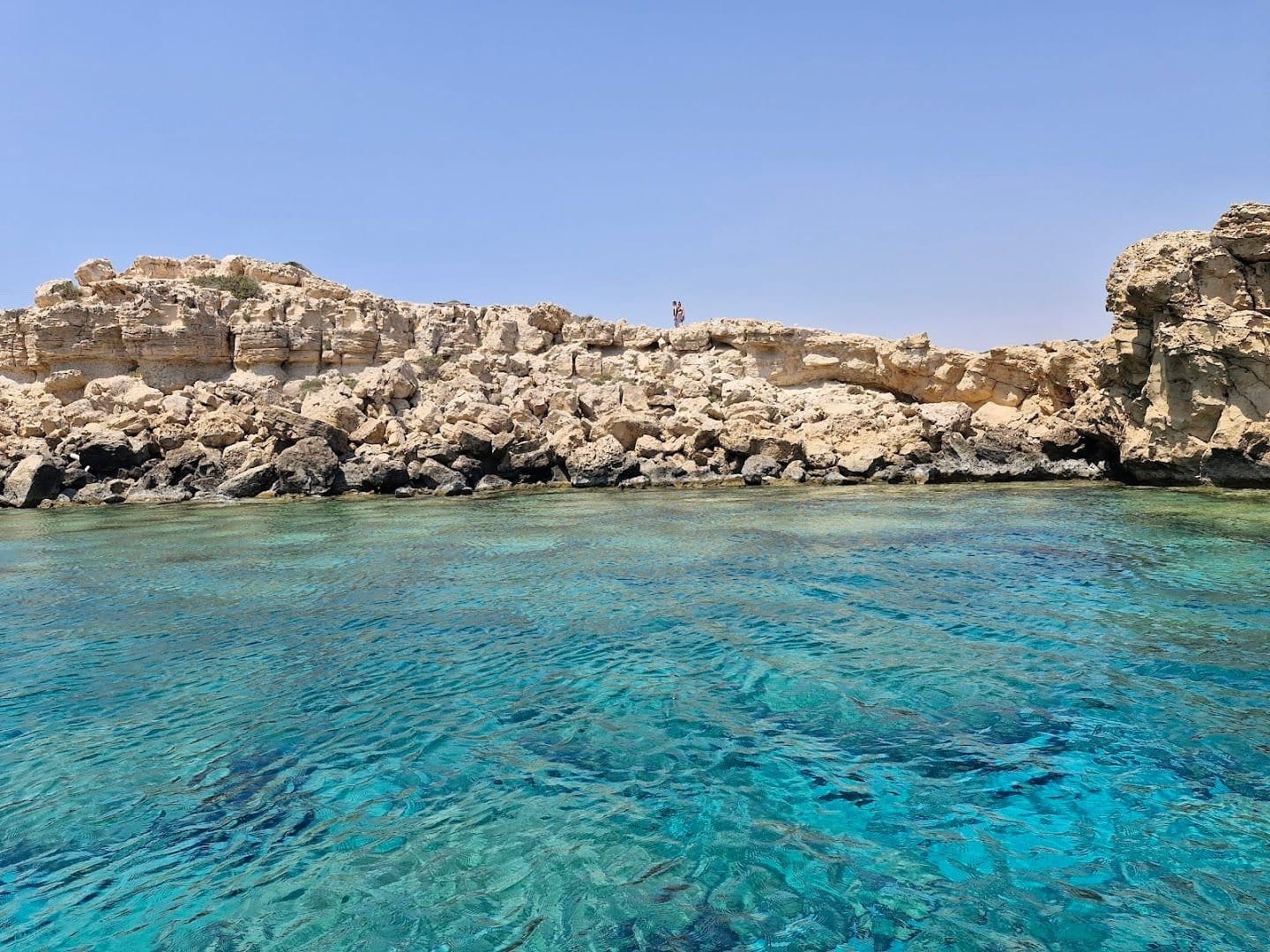
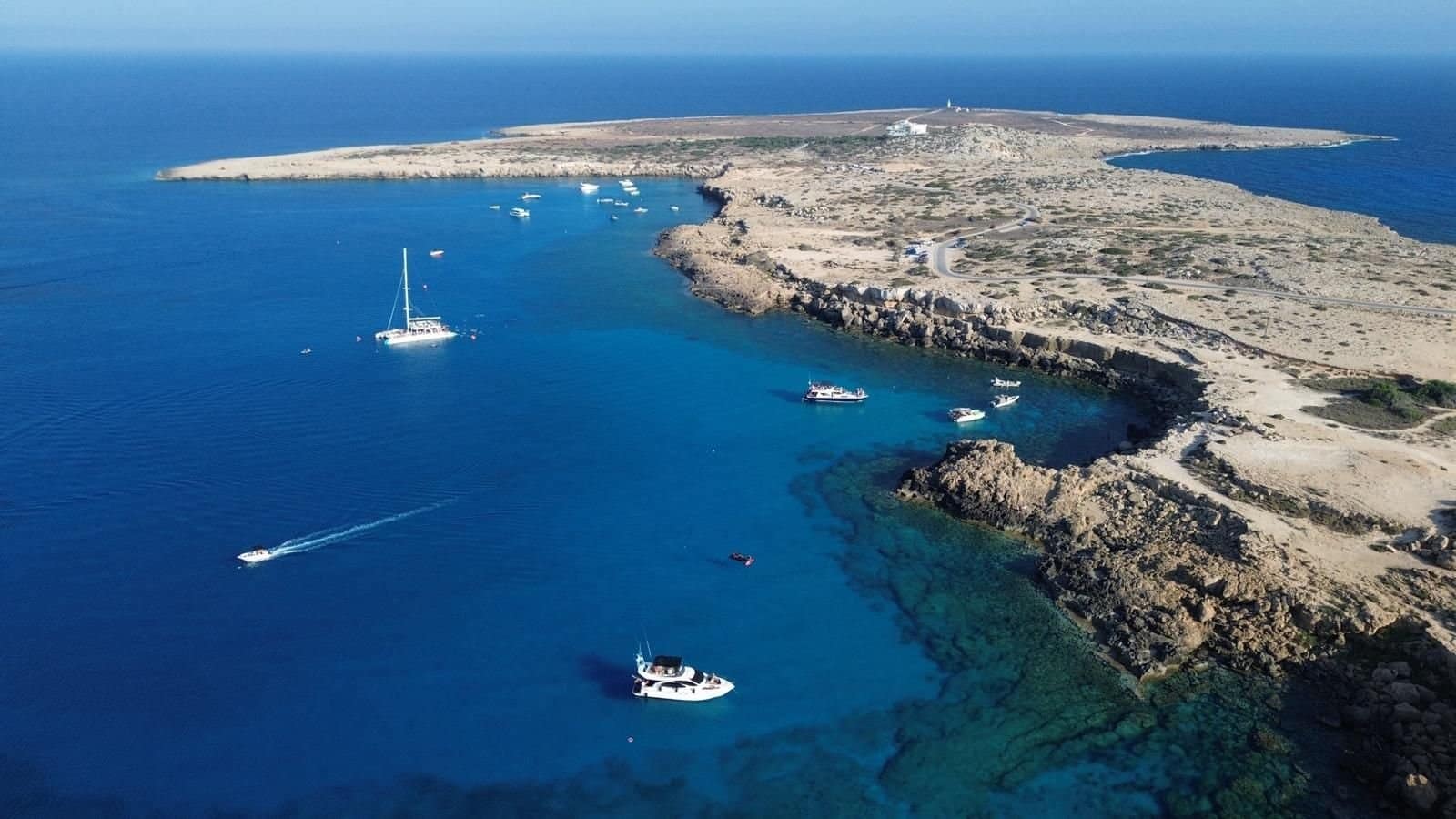
The Blue Lagoon in Cape Greco is one of the most beautiful coastal spots in the Ayia Napa and Protaras area. Known for its crystal clear blue water, rocky coastline, and dramatic sea views, it is a place that feels almost unreal when the sea is calm and the sunlight hits the water properly.
What makes it special
Swim in crystal clear azure-blue waters
Experience breathtaking views with multiple shades of blue
Enjoy a quiet and peaceful retreat surrounded by beautiful nature
This is not a typical sandy beach with rows of sunbeds. It is more of a natural swimming and viewpoint area, best suited to visitors who enjoy clear water, snorkelling, coastal walks, boat trips, and wild scenery.
What Makes It Worth Visiting
The main reason to visit the Blue Lagoon is the water. On a calm day, the colour is bright, clear, and beautifully blue, making it one of the most photogenic parts of Cape Greco.
It is also a good place to combine with other nearby stops, especially the Cape Greco Sea Caves, Konnos Beach, and the Cape Greco nature trails. If you are staying in Ayia Napa, Protaras, or Pernera, it is easy to include as part of a half day coastal route.
What to Expect
The Blue Lagoon area has several viewpoints and swimming spots rather than one single organised beach. Some places are better for looking at the water from above, while others allow access for swimming.
The coastline is rocky, so do not expect soft sand or easy beach facilities everywhere. Bring suitable shoes if you plan to walk around or enter the water from the rocks.
Blue Lagoon Viewpoints
There are a few different places to enjoy the Blue Lagoon around the Cape Greco Peninsula.
One viewpoint is close to the food cart area on Google Maps, where visitors can follow a trail towards the water. This is one of the more popular places to admire the clear blue sea and, when conditions are suitable, enter the water.
Another viewpoint is near the Blue Holes area. This is more of a cliffside viewing point, with a sheer drop into the sea below, so it is better for photos and scenery than swimming.
A further viewpoint can be found at the end of the road on the peninsula. This is another popular place for sea views and swimming when the water is calm.
Swimming and Snorkelling
The Blue Lagoon is a lovely place for swimming when the sea is calm, but visitors should remember that this is a rocky natural area, not an organised sandy beach.
Snorkelling can be enjoyable here because the water is so clear. Bring goggles or a mask if you want to see underwater, especially around the rocky edges.
Take care when entering the water, as rocks can be slippery and sea urchins may be found in shallow rocky areas. Water shoes are a good idea.
How to Get There
The Blue Lagoon can be reached by car, ATV, bike, walking route, boat trip, or jeep safari.
Driving is one of the easiest options if you want to explore at your own pace. Parking is usually available in dirt parking areas or along parts of the road, depending on where you stop.
ATVs are popular with visitors exploring from Ayia Napa, while cycling is possible from Ayia Napa, Protaras, or Pernera for those comfortable with a longer ride. Walking is also possible using nature trails around Cape Greco, although some sections may involve road walking.
Boat trips from Ayia Napa Harbour often include the Blue Lagoon as a swimming stop, which is a good option if you prefer to access the water from a boat rather than from the rocks.
Sea Caves Nearby
The Cape Greco Sea Caves are worth adding to the same trip. They are formed by years of wave erosion and are one of the most photographed coastal locations in the area.
Some caves can be viewed from above, and one cave area may be accessible on foot depending on conditions. Take care near cliff edges and avoid risky climbing or jumping.
Facilities
The Blue Lagoon is a natural area, so facilities are limited. There may be an ice cream or drinks stand nearby during the season, but visitors should not rely on full beach facilities.
Bring water, sun protection, snacks, and anything else you need, especially in summer.
Best Time to Visit
The best time to visit is early in the morning or later in the afternoon, when the light is softer and the area may feel calmer. Midday can be very hot, especially if you are walking around the rocks with little shade.
June, September, and October can be especially pleasant if you want warm weather without the busiest peak season crowds.
ElloCyprus Recommends
Treat the Blue Lagoon as a natural coastal stop rather than a full service beach day. Wear proper shoes, bring water, and only swim where the sea looks calm and access feels safe.
If you want the easiest swimming experience, a boat trip may be the better option. If you prefer exploring by land, combine the Blue Lagoon viewpoints with the Sea Caves and Cape Greco trails.
Insider Tips
- Bring water shoes because the coastline is rocky.
- Take goggles or a snorkel mask if you want to enjoy the clear water properly.
- Watch out for sea urchins in shallow rocky areas.
- Do not jump from cliffs unless it is officially safe and conditions are suitable.
- Visit early or late in the day to avoid the strongest heat.
- Combine your visit with the Cape Greco Sea Caves.
- Choose a boat trip if you want easier swimming access.
Key Points
- Natural coastal area in Cape Greco.
- Known for crystal clear blue water and rocky sea views.
- Close to Ayia Napa, Protaras, Pernera, and Konnos Beach.
- Several viewpoints and swimming areas.
- Good for photos, snorkelling, swimming, boat trips, and coastal exploring.
- Rocky access, so water shoes are recommended.
- Facilities are limited, so bring water and sun protection.
- Sea Caves are nearby and worth visiting on the same trip.
Final Thoughts
The Blue Lagoon in Cape Greco is one of the most striking natural spots on the east coast of Cyprus. It is not the place to visit for organised beach comfort, but it is perfect if you want clear water, rocky scenery, sea views, and a more adventurous coastal stop.
If you are staying in Ayia Napa or Protaras, it is well worth adding to a Cape Greco day out, especially together with the Sea Caves and Konnos Beach.