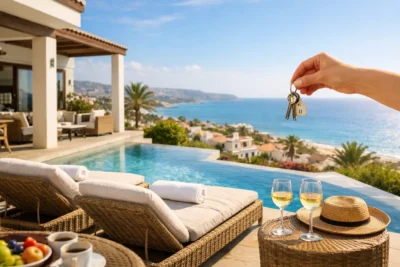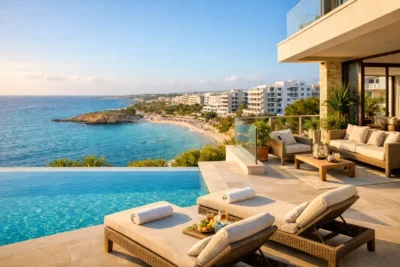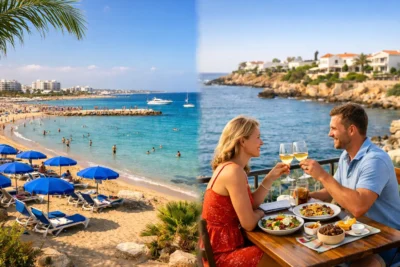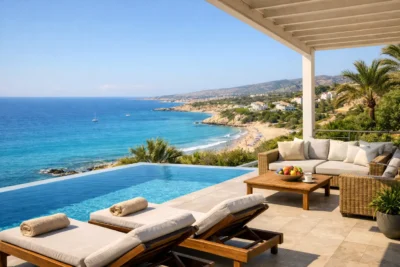

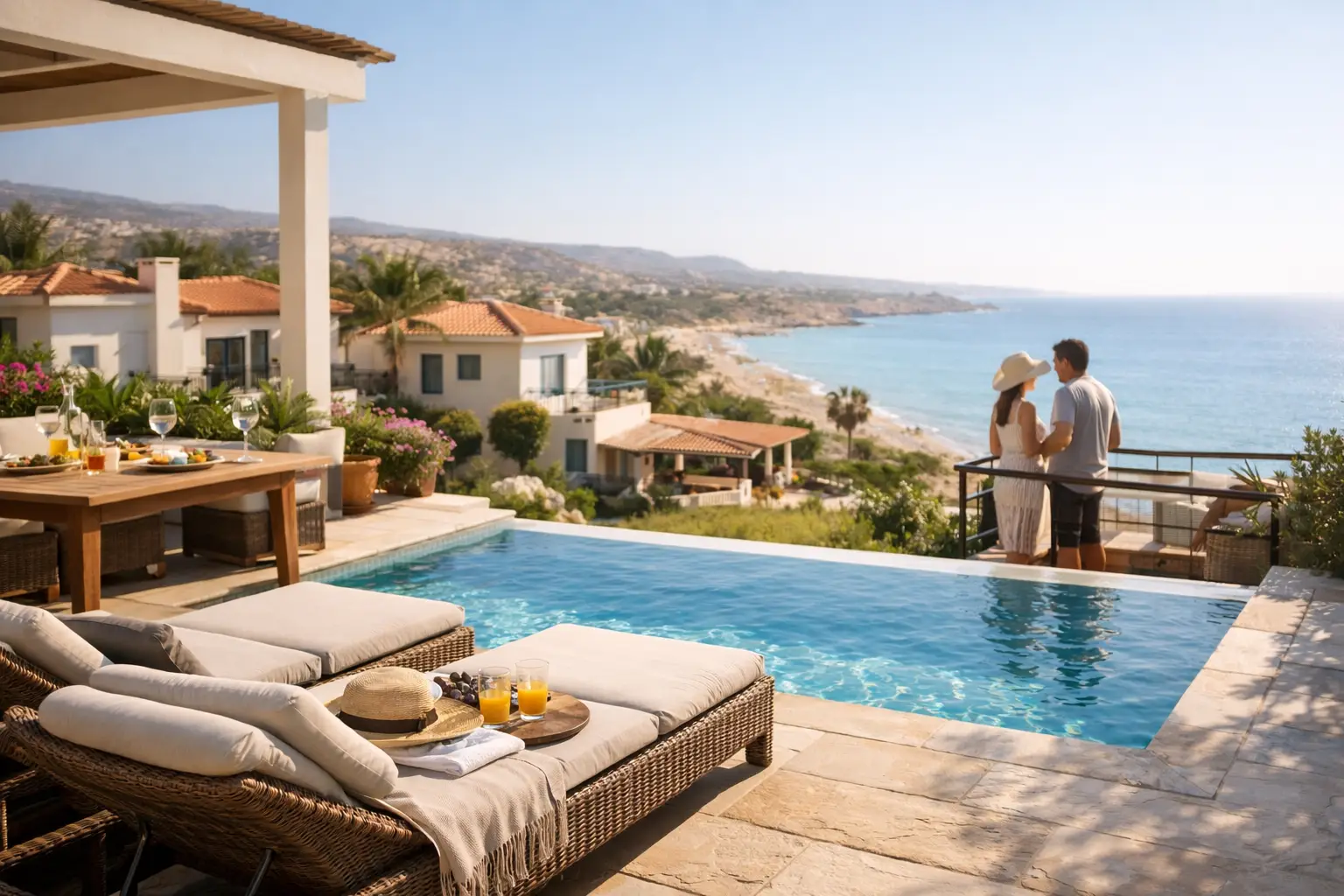
Cyprus works particularly well as a self-catering destination because the holiday itself tends to happen around your own schedule. One day starts with a slow breakfast on the terrace, the next begins with an early swim before the beaches fill up. A good guide to Cyprus self-catering should help you make those choices with confidence, not just tell you to book a place with a kitchen and hope for the best.
For many travellers, self-catering is less about cooking every meal and more about having space, flexibility and better value. That matters even more in Cyprus, where resort areas, family villas, seafront flats and quieter residential neighbourhoods can offer very different experiences. The right property can make the holiday feel easy. The wrong one can add cost, inconvenience and unnecessary stress.
Why Cyprus self-catering suits so many travellers
Cyprus is well set up for this style of stay. Supermarkets are easy to find in most holiday areas, fresh produce is widely available, and many visitors prefer the freedom to mix days out with time at home. If you are travelling with children, staying in a villa or flat often means easier meal times, separate sleeping space and room to settle in properly. If you are travelling as a couple or with friends, it usually means more privacy and fewer fixed routines.
There is also the question of value. Hotels can make sense for short breaks or if you want everything on site, but self-catering often works out better for longer stays, family trips and shoulder-season holidays. The trade-off is that standards can vary more from one property to the next. A stylish photo gallery is not the same as professional management, good maintenance and clear communication.
Guide to Cyprus self-catering by area
Where you stay shapes the holiday more than most people expect. Cyprus is not huge, but travel times, beach styles and local atmosphere still make a difference.
Protaras is a strong choice if your priority is easy beach access and a family-friendly feel. Many properties are close to sandy bays, and the area is straightforward for visitors who want convenience without the pace of a louder nightlife scene. Pernera and Ayia Triada offer a similar appeal, often with a slightly calmer atmosphere and a good mix of villas and smaller holiday homes.
Kapparis tends to suit travellers who want a more relaxed base with local amenities nearby. It can be a smart option for repeat visitors who prefer a neighbourhood feel rather than a busy resort centre. Ayia Napa, by contrast, depends very much on what kind of trip you want. Some parts are lively and social, while others, especially around Ayia Thekla, are much quieter and better suited to villa stays.
Larnaca appeals to travellers who want a more lived-in town setting, easy airport access and a stay that balances beach time with everyday convenience. It can work especially well for longer visits or for people who want to be less dependent on a resort strip.
If you are unsure, think first about how you want your days to feel. Walkable and central, quiet and residential, or beach-led with space around you. That question is often more useful than simply choosing the most famous name on the map.
What to look for beyond the photos
The basics matter. Air conditioning, reliable Wi-Fi, a properly equipped kitchen, outdoor seating and practical parking are not glamorous details, but they affect the stay every day. In summer, air conditioning in bedrooms is close to essential for most visitors. For longer stays, washing facilities matter far more than many people realise.
Good self-catering properties should also be clear about layout and suitability. Families may need a gated pool, stair awareness or walkable access to shops. Older travellers may want to avoid multi-level homes. Groups may need to check whether the advertised sleeping capacity reflects real beds or sofa arrangements. A property can be attractive and still be wrong for your trip.
Management quality is just as important as the property itself. Clear pre-arrival information, realistic descriptions, responsive support and dependable cleaning standards usually tell you more about the likely experience than polished marketing copy. This is where professionally managed homes stand apart from loosely overseen rentals.
Budgeting properly for a self-catering stay
One reason people choose self-catering is control over costs, but only if they budget realistically. The headline nightly rate is only part of the picture. You should also factor in transport, groceries, meals out, and whether a pool, car hire or location premium is worth the extra spend.
In popular coastal areas, prices rise sharply in peak summer and around school holiday periods. If your dates are flexible, June, September and October often offer a better balance of weather, availability and value. July and August suit travellers who want guaranteed heat and a full holiday atmosphere, but they are also the months when rates are highest and popular properties book early.
It is worth being honest about how much you will actually cook. Some guests imagine daily home-prepared meals, then end up dining out most evenings. There is nothing wrong with that, but it changes the value equation. Self-catering is often at its best when it gives you options rather than obligations.
Season matters more than many first-time visitors expect
Cyprus is a year-round destination, but self-catering works differently depending on the month. In high summer, outdoor space, shade and a pool can matter more than interior size because so much of the day is spent outside. In cooler months, a comfortable lounge, heating options and a practical location become more important.
Spring and autumn are especially good for travellers who want a more relaxed pace. Beaches are still appealing, roads are easier, and restaurant bookings are less pressured. Winter can suit longer stays, remote workers or owners using their own property part of the year, but not every holiday home is equally well prepared for cooler evenings. It is worth checking seasonal suitability rather than assuming a summer villa performs the same way in January.
Self-catering with children, friends or extended family
Group type changes what makes a property work. Families with younger children often benefit from enclosed outdoor space, shallow beach options nearby and simple meal routines. A stylish hillside property may look appealing, but a shorter walk to shops and the beach can make daily life much easier.
For friends travelling together, bedroom balance and outdoor living usually matter more than total occupancy. Two doubles and a small twin room are not the same as three evenly matched bedrooms. For extended families, privacy becomes important. Separate floors, multiple bathrooms and enough seating indoors and outdoors can help everyone relax.
This is one of the real strengths of Cyprus self-catering. You can choose a stay that fits the rhythm of your group rather than trying to fit your group into a standard hotel setup.
Common mistakes when booking Cyprus self-catering
The most common mistake is choosing on price alone. A cheaper property can end up costing more in car hire, meals out or inconvenience if it is too remote or poorly equipped. Equally, paying for a large villa with features you will barely use is not good value either.
Another mistake is underestimating location details. Sea view does not always mean walkable beach access. Quiet area can mean peaceful, or it can mean isolated. Close to amenities can mean a five-minute stroll, or it can mean crossing busy roads in peak season. Specific descriptions matter.
It also helps to check how the property is managed. If communication is slow before booking, it rarely improves once you arrive. A reliable local team makes a real difference when it comes to arrival support, cleaning standards and dealing with the unexpected. That reassurance is one reason professionally managed holiday homes continue to appeal to travellers who want flexibility without guesswork.
How to choose with confidence
A useful way to narrow your options is to rank your priorities in order. Start with location, then decide whether outdoor space, pool access, walkability, parking or layout matters most. After that, compare properties on the practical details rather than the styling alone.
If you are booking for peak dates, leave enough time. The best homes in well-liked areas are usually the first to go, especially when they are managed properly and priced sensibly. If you are travelling outside peak season, you can be a little more selective and focus on comfort, long-stay practicality and local atmosphere.
For travellers who want a more dependable experience, booking through a professionally managed local provider can remove a lot of uncertainty. A company such as ElloCyprus can offer the combination many people are actually looking for – the freedom of self-catering with the reassurance of local support, clear standards and a more direct booking experience.
The best Cyprus self-catering stay is rarely the flashiest one. It is the place that fits your plans, your pace and the kind of holiday you actually want to have. Choose with that in mind, and the rest of the trip tends to fall into place.