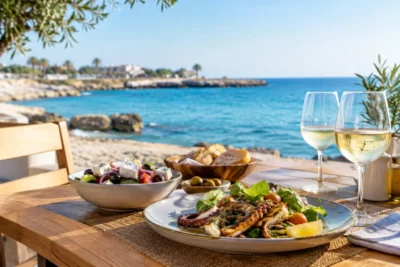

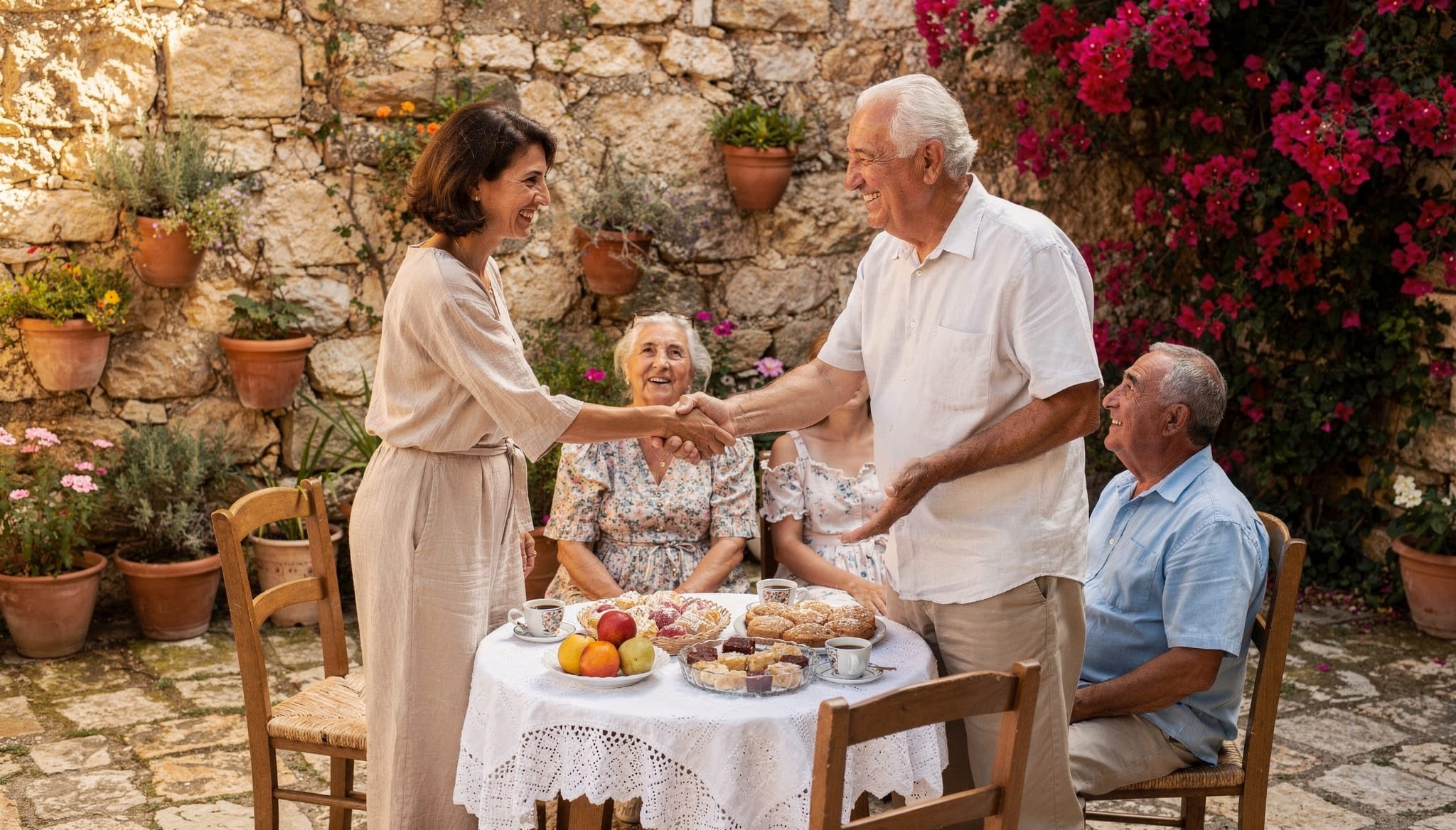
Travelling to Cyprus is easy, relaxed, and welcoming, but knowing a few local customs before you arrive can make your visit feel much smoother. From greeting people politely to dressing respectfully at churches and understanding the slower pace of island life, small cultural details can help you connect better with locals and avoid awkward moments.
This guide covers the most useful Cyprus Customs and Etiquette for visitors, including greetings, dining manners, dress codes, tipping, sensitive topics, transport habits, and simple Greek phrases to use during your stay.
Why Local Etiquette Matters in Cyprus
Cyprus sits at the crossroads of Europe and the Middle East, blending Mediterranean influences with centuries of history. Cypriots are known for strong values of hospitality, family, generosity and respect for elders. Recognising these values and following Cyprus Customs and Etiquette shows respect for residents and leads to more meaningful travel experiences. Below are the key cultural norms, social etiquette and practical tips to know before you go.
Greeting and Social Interaction in Cyprus
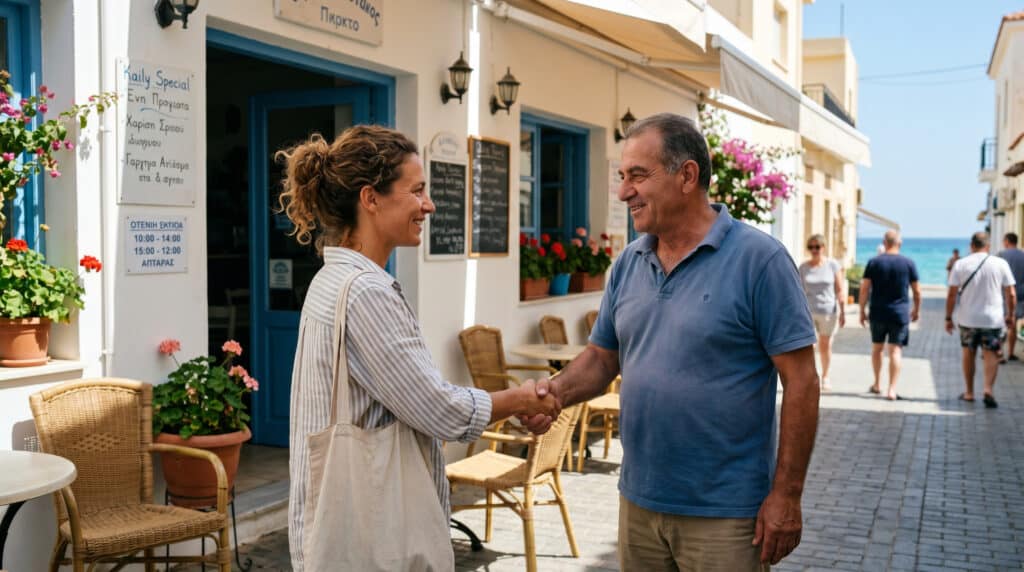
How Do You Greet Someone in Cyprus?
- Handshake and direct eye contact: A firm handshake with a smile is the standard greeting. Maintain eye contact; it conveys sincerity and friendliness.
- Use titles until invited: Wait for locals to invite you to use their first name. Elders and persons of authority are highly respected, and addressing them formally shows courtesy.
- Kisses among friends: Friends may greet with a kiss on both cheeks. Follow your host’s lead.
Hospitality Culture
Cypriots are known for generous hospitality. It is common to be invited for coffee, sweets or a meal even by people you have just met. Always accept at least a small portion; declining is considered impolite. When leaving, say goodbye to each person individually.
Personal Space and Conversation Style
Conversations can feel animated and close. Loud discussions may seem heated to outsiders yet often reflect friendly debate. Cypriots are curious and will ask about your family and job; respond openly and reciprocate.
Dining Etiquette and Table Manners in Cyprus
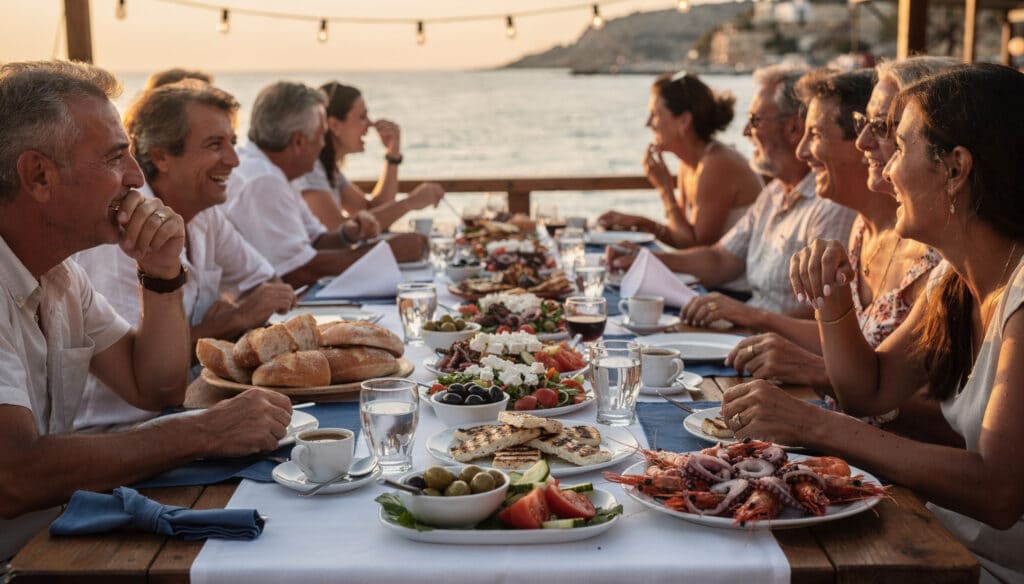
What Should I Bring When Invited to a Home?
When invited to a home, arrive on time and greet everyone with a handshake. Bring a small consumable gift such as pastries or wine; avoid white lilies because they are associated with funerals. Dress casually but neatly. Compliment the home and offer to help clear the table.
Cyprus Table Manners You Should Know?
- Seating and starting the meal: Remain standing until invited to sit down and wait for the host to start eating. The oldest person or guest of honour is served first.
- Continental style: Use the fork in the left hand and knife in the right. Pass dishes politely and follow the rhythm of the table.
- Finishing your meal: It is polite to finish everything on your plate. If you take a break, cross your knife and fork on your plate with the fork over the knife; place them parallel on the right side to indicate you have finished.
- Multiple helpings: Expect to be offered second or third helpings. Accepting at least a little shows appreciation.
Eating Out and Tipping
Tipping is common but not obligatory. If a service charge is included, you are not expected to tip. In restaurants without a service charge, 3 to 4 euros is sufficient. For taxis, round up the fare. Giving tips in cash directly to the server ensures they receive it. In the broader service industry, tips are appreciated but not expected.
Dress Codes and Religious Observance
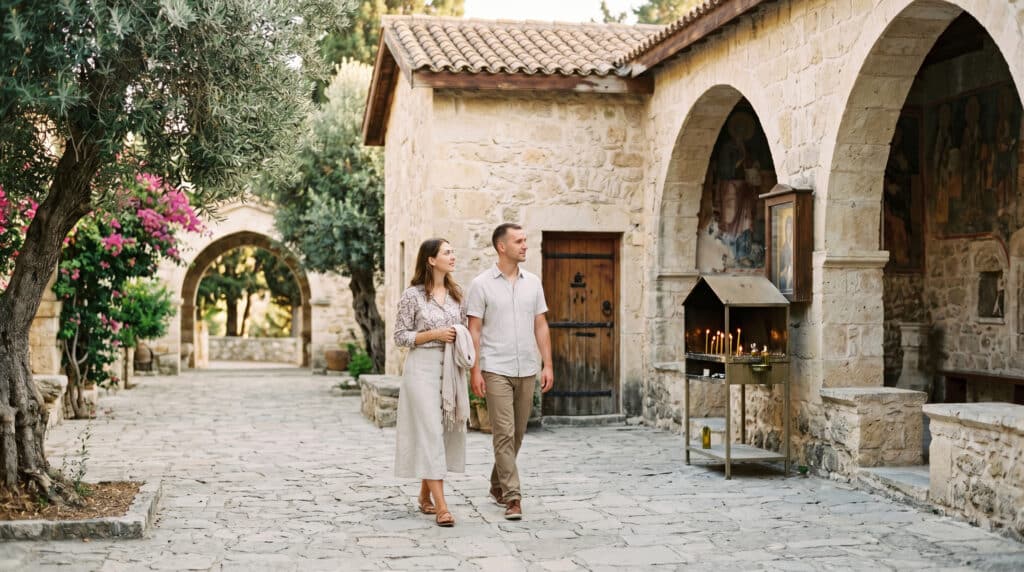
- Modest attire: When visiting churches and monasteries, men should wear long trousers and avoid bare chests; women should cover legs and shoulders. In small villages, avoid revealing clothing; beachwear is only appropriate at beaches and pools.
- Church attendance: The Greek Orthodox Church is influential in Cyprus, and churchgoing is common among many locals. Feast days and fasting periods may affect business hours, especially in smaller communities.
Cultural Norms and Topics to Avoid
- Sensitive history: Cyprus has a complex modern history, and political discussions can be sensitive. Avoid raising political issues unless locals bring them up.
- Respect for elders and hierarchy: Age and social position carry weight. Offer seats to older people and defer to them in conversation.
- Avoid impatience: Cypriots embrace a relaxed pace. Service may feel slow, but impatience is frowned upon.
Transport, Money and Daily Life
Getting Around
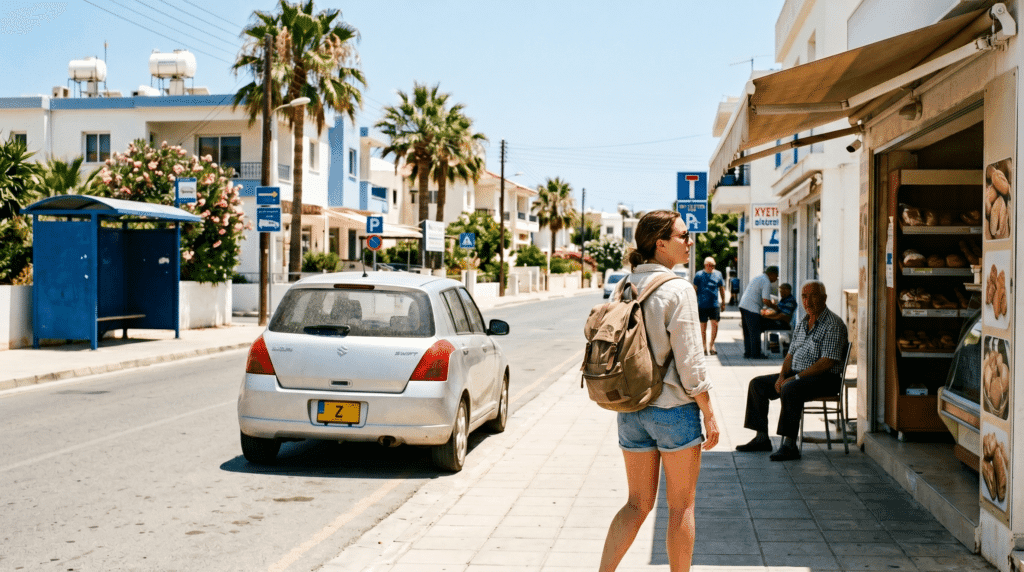
Driving is on the left side of the road and local drivers can be assertive. Road signage is in Greek and English, and hiring a car is common. Buses run between towns but services are less frequent in the evenings and on Sundays. Taxis are metered in cities; ask the driver to start the meter when you enter.
Money and Payments
Cyprus uses the euro. Cards are widely accepted, but small tavernas and village shops may prefer cash. Banks operate weekdays from 8.30 a.m. to 2.30 p.m. with widespread ATMs. Shops often close from mid afternoon until early evening for a midday break.
Opening Hours
Tourist area shops stay open from early morning until late at night, including Sundays. In city centres, offices and stores may close from 1.00 p.m. to 4.00 p.m. for rest. Always check holiday schedules; religious festivals can affect opening times.
Climate and Dress
Cyprus has hot, dry summers and mild winters. Evenings can be cool in the mountains. Light layers work year round; always carry a cover up for churches and air conditioned spaces. Sunscreen and hats are essential during summer.
Language and Useful Phrases
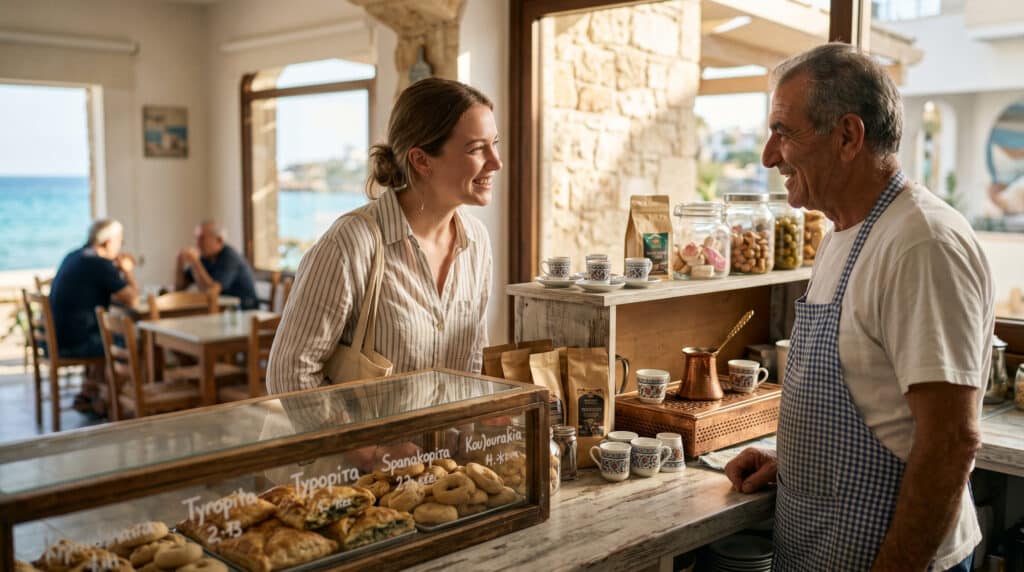
Greek is widely spoken in Cyprus, and English is commonly used in tourism. Learning a few Greek phrases helps build rapport and shows respect for local culture. Use polite greetings such as “Yia sas” (formal hello or goodbye) or “Yia sou” (informal). Thank someone with “Efharisto” and say “Parakalo” for please or you’re welcome. Asking “Signomi” expresses sorry or excuse me. Common words and phrases are provided below.
Common Greek Words and Phrases
- Kalimera: Good morning
- Kalinikta: Good evening
- Yia sas / Yia sou: Formal or informal hello and goodbye
- Efharisto: Thank you
- Parakalo: Please / You’re welcome
- Signomi: Sorry / Excuse me
- Pou ine? Where is it?
- Poso kani? How much is it?
- Avrio / Simera: Tomorrow / Today
- Voithia: Help
- Giatros: Doctor
- Then katalaveno: I don’t understand
Safety and Behaviour Tips

Cyprus is generally safe and has low crime rates. Nevertheless, follow common sense: watch belongings in busy areas, avoid walking alone in poorly lit streets at night and follow local advice during hiking or water activities.
Unique Experiences and Festivals
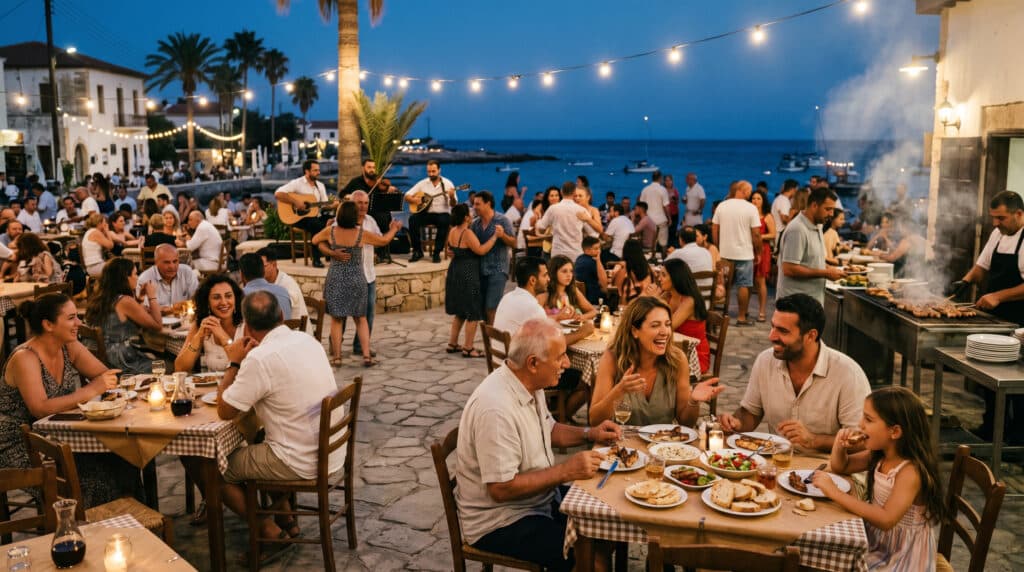
- Family gatherings: Weekends often see extended families barbecuing at the beach or picnic areas. Join a public picnic to experience genuine island life.
- Religious festivals: Easter is the most significant celebration. Midnight church services, bonfires and feasts mark the event, creating one of the most memorable cultural experiences for visitors.
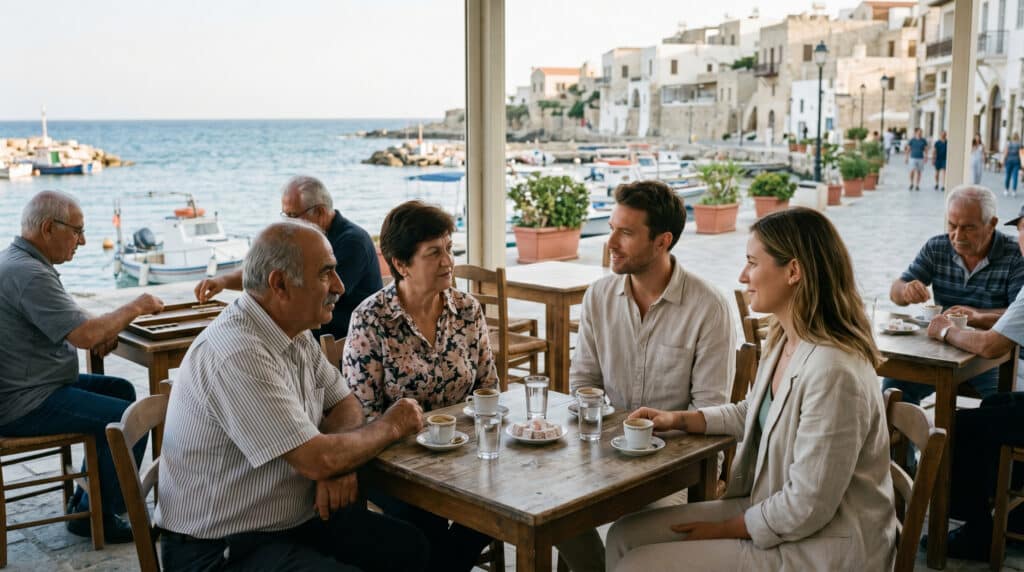
- Coffee culture: Visit a kafenio, a traditional coffee house, where locals gather to chat and play tavli, also known as backgammon. In rural areas, coffee houses offer a window into local life.
Final Thoughts on Local Customs and Etiquette in Cyprus
Cyprus is a warm and generous destination, and most visitors find that local etiquette is easy to follow once they understand the basics. Be polite, dress respectfully in religious places, show patience, accept hospitality when offered, and avoid sensitive political conversations unless locals raise the topic first.
A little cultural awareness goes a long way here. Whether you are exploring mountain villages, visiting monasteries, eating at a local taverna, or staying by the coast, respecting Cyprus Customs and Etiquette will help you enjoy a more authentic and meaningful Cyprus experience.
Frequently Asked Questions
No. English is widely spoken in tourist areas, restaurants, hotels and shops. However, using a few Greek words such as "Kalimera", "Efharisto" and "Parakalo" is a nice gesture and often warmly received.
Yes. Cypriots are generally warm, welcoming and helpful towards visitors. Simple politeness, patience and respect for local customs will usually be met with friendliness in return.
Being impatient, dismissive, overly loud in a disrespectful way, or refusing hospitality too abruptly can come across as rude. It is also best to avoid sensitive political discussions unless a local chooses to bring them up first.
It depends on the household. Some families may expect shoes to stay on, while others may prefer shoes to be removed. The easiest approach is to look at what your host does or politely ask.
Meals are often social and relaxed, with several dishes shared across the table. Wait for the host to begin, accept second helpings if you feel comfortable, and complimenting the food is always a kind gesture.
Cyprus is generally relaxed and casual, especially in coastal areas. However, neat clothing is appreciated in restaurants, churches, monasteries, traditional villages and when visiting someone's home.
Beachwear is fine at the beach, pool or resort areas, but it is better to cover up when walking through towns, villages, shops or restaurants. Lightweight summer clothing is ideal, especially during the warmer months.
Yes. Hospitality is a big part of Cypriot culture, so accepting at least a small coffee, sweet, fruit or snack is usually seen as polite. You do not need to eat a full meal, but a warm thank you is always appreciated.
Cyprus operates at a relaxed pace. Service may seem slower than you are used to, particularly outside the main cities. Be patient and enjoy the slower rhythm; impatience is seen as rude. Punctuality is expected for business meetings even though you may be kept waiting.