
Quick answer
Ayia Napa is widely regarded as a safe resort town where millions of visitors enjoy sun soaked beaches, vibrant nightlife and family friendly attractions each year. Crime levels across Cyprus are far below the European average: the homicide rate sits at 0.82 per 100,000 people and violent crime directed at tourists is practically non existent. Government travel advisories occasionally change because of regional tensions, but major tourist areas like Ayia Napa continue to operate normally with beaches, restaurants and flights open as usual. As with any busy destination, visitors should exercise common sense: stay with your group when clubbing, watch your belongings in crowds and use licensed taxis.
How safe is Ayia Napa?
Crime statistics and reality on the ground
Cyprus is among the safest countries in Europe. Official crime data show that serious offences are mostly property related: in 2024 property crimes made up about 31.8 percent of serious offences, and violent offences against tourists are extremely rare. The national homicide rate (0.82 per 100,000 people) is far below the global average. These figures underpin the reality reported by locals: tourist resorts such as Ayia Napa, Protaras and Limassol are operating normally and remain peaceful.
Visitors occasionally encounter petty theft, especially in crowded markets or on busy beaches. Travel safety guides advise using hotel safes for valuables and being aware of your surroundings. Avoid displaying expensive items and consider leaving passports in a secure hotel safe.
Government travel advisories
Following regional conflict in early 2026, the U.S. Department of State raised its advisory for Cyprus to “Level 3: Reconsider travel” because of armed conflict risk and limited embassy assistance in the Turkish administered north. The advisory urges U.S. citizens to use recognized ports of entry such as Larnaca or Paphos airports and warns that entering via the northern Ercan Airport may be considered illegal and could complicate future travel. The United Kingdom’s Foreign, Commonwealth and Development Office notes that crime against tourists is not common but recommends keeping passports and valuables safe and highlights a risk of drink spiking in nightlife districts. Travel advisories from Canada and Australia recommend a high degree of caution because of possible airspace disruptions but do not advise against visiting Cyprus. In practice, the Republic of Cyprus remains politically stable and is an EU member with a professional police force.
Practical safety tips for Ayia Napa
Nightlife and party scene
Ayia Napa’s nightlife is world famous, attracting clubbers from across Europe. Most incidents reported in nightlife districts involve excessive alcohol or minor scuffles rather than serious crime. Safety experts recommend staying with friends, avoiding dark alleyways, using licensed taxis and buying your own drinks. Do not accept drinks from strangers and never leave beverages unattended, as there have been occasional reports of drink spiking. The town has a strong police presence, especially around the main strip, which helps deter trouble.
Petty theft and scams
Petty theft can occur in crowded places or on busy beaches. Keep bags closed, use hotel safes and avoid leaving valuables on the sand. Be cautious when approached by unlicensed taxi drivers late at night; local residents warn that unlicensed taxis are the number one source of tourist problems. Arrange transport through your hotel, prebooked transfer or reputable taxi company.
Drug laws and legal issues
Cyprus enforces strict zero tolerance drug laws. Both the U.K. government and travel safety writers note that even small quantities of illegal drugs can result in heavy fines and imprisonment. “Laughing gas” and cannabis are illegal and police sometimes run undercover checks in nightlife areas. If someone offers drugs, firmly decline and move away.
Health, heat and dehydration
The Mediterranean sun is intense, especially in July and August. Locals report that the real risk on Cyprus beaches is the sun, not the sea. Daytime temperatures routinely reach 35–38°C; heatstroke and severe dehydration are the most common medical issues for visitors. Drink plenty of water, use high SPF sunscreen, wear a hat and seek shade between midday and midafternoon. If you are hungover or have been drinking, increase your water intake.
Modern hospitals and private clinics are widely available in Cyprus, and doctors commonly speak English. The emergency number for police, ambulance or fire services is 112, and the island also provides specialised numbers for medical advice, night pharmacies and search and rescue.
Road and transport safety
Cypriots drive on the left. Always wear seatbelts and obey speed limits. Poor driving standards and drink driving contribute to road accidents, so use registered taxis or reputable hire companies and avoid driving after drinking. Helmets are compulsory for motorbike riders, and quad bikes often come with only third party insurance; check insurance coverage before renting.
Beach and water safety
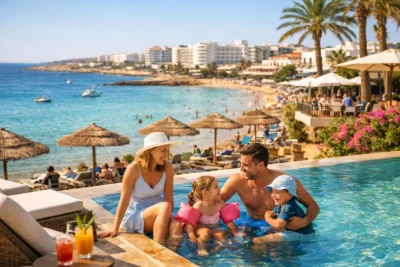
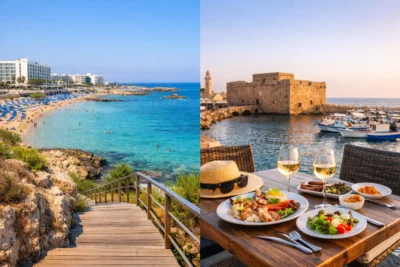
Cyprus’s main beaches consistently earn Blue Flag certification. The water is crystal clear and there are no dangerous sea creatures or significant rip currents on the main beaches. Beaches such as Nissi Beach and Fig Tree Bay have lifeguards during peak season and feature shallow, sandy sea beds ideal for children. Beach safety experts say the biggest hazards are sun exposure, dehydration and rocky entry points on some coves. Wear water shoes if exploring rocky areas, carry extra water and pay attention to flag warnings. There are no dangerous sharks and rip currents are rare.
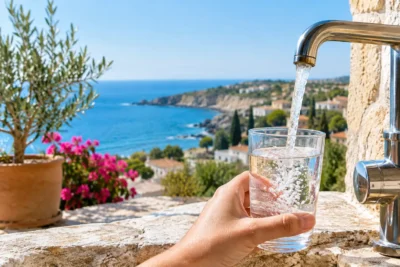
Tap water in Cyprus is treated and monitored by health inspectors. According to the Visit Cyprus official site, drinking water is of high quality and food and water borne diseases are not an issue. Many locals still prefer bottled water because of the high mineral content, but tap water is generally safe for brushing teeth and making ice.
Areas and neighbourhoods
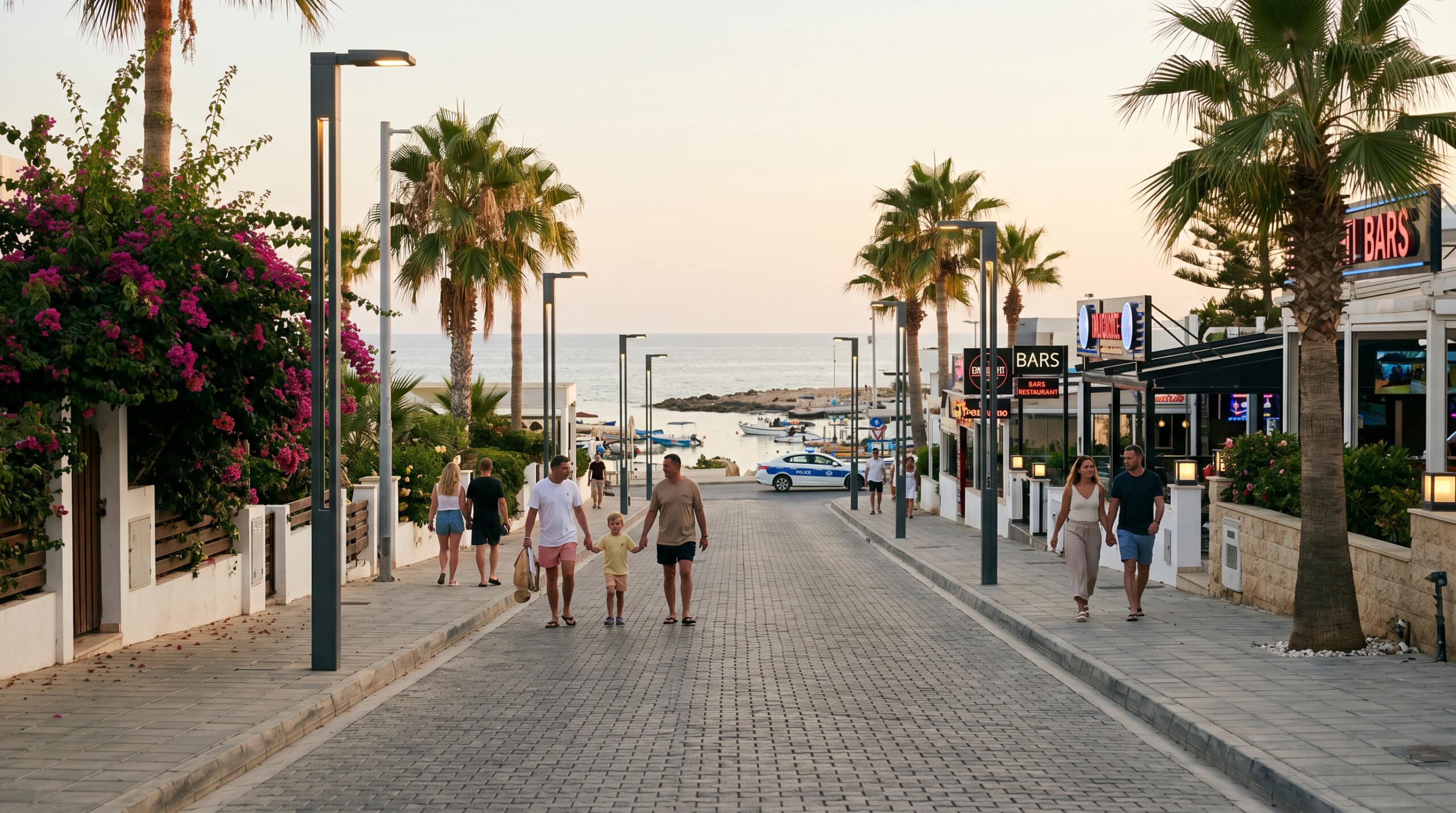
Ayia Napa is compact and centred around the harbour and “strip”. The tourist areas—including Nissi Beach, the harbour, Grecian Bay and Makronissos—are considered safe and are patrolled by police. Late at night, avoid quiet side streets or unlit lanes and stay in well lit, populated areas. Choose accommodation with good reviews and use a hotel safe for passports and money. There are no specific “no go” neighbourhoods; the main square around the monastery is lively until the early morning but remains generally orderly.
Entry requirements and borders
Cyprus is divided by a buffer zone between the Republic of Cyprus and the Turkish controlled north. Non EU travellers should enter the island via the internationally recognised airports at Larnaca or Paphos and avoid using the northern Ercan Airport, which the Republic of Cyprus considers illegal. Crossing the Green Line is possible at designated checkpoints for day trips, but hire car insurance from the south is often not valid in the north.
Best time to visit Ayia Napa
The best time to enjoy Ayia Napa depends on your priorities:
- Spring (March–May) – Mild temperatures, blooming wildflowers and clear skies. Wildflower festivals and cultural events take place, and beaches are quiet.
- Summer (June–August) – Hot and dry weather with temperatures between 30 and 35°C. This is peak season for nightlife, beach parties and water sports, but crowds are at their largest. Families enjoy resort pools and water parks.
- Autumn (September–October) – Warm seas and fewer crowds. Shoulder season travellers find a balance between pleasant weather and vibrant nightlife.
- Winter (November–February) – Cooler temperatures and quieter resorts. Many clubs close, but it is a good time for cultural excursions and hiking in the Troodos Mountains.
Conclusion
Ayia Napa offers a mix of Mediterranean beaches and vibrant nightlife with a level of safety that rivals or surpasses other European resorts. Crime against visitors is rare, the water is clean, healthcare is modern and the town is well policed. By taking simple precautions watching your drink, using licensed taxis, securing valuables and respecting local laws travellers can enjoy everything this part of Cyprus has to offer. Monitor official advisories, pack sun protection and embrace the island’s warm hospitality for a memorable, worry free holiday.
Frequently Asked Questions
Yes. Official data and local testimony show that violent crime is rare and that tourist areas are well patrolled. Families appreciate the shallow beaches, lifeguard presence and family friendly attractions. Solo travellers should follow standard precautions: stay in well lit areas at night, avoid excessive alcohol and let someone know where you are.
The main issues involve petty theft, excessive drinking and crowded nightlife. Pickpocketing can occur in busy bars or on packed beaches. Drink spiking has been reported occasionally, so always watch your drink and stay with friends. Rowdy behaviour increases after midnight, so arrange transport and leave before trouble starts.
Online reports often sensationalise isolated incidents. Drug use is illegal and harshly punished in Cyprus, and undercover police monitor nightlife venues. If you read claims about widespread drug problems, cross check with official advisories and local sources rather than relying on rumours. Refusing drugs is the simplest way to stay out of trouble.
Shoulder seasons in late spring and early autumn offer warm weather, active nightlife and fewer crowds. July and August bring the most intense party atmosphere but also the largest crowds and hottest temperatures. Families often choose spring or autumn, while club goers may prefer summer.
Yes. Main beaches such as Nissi Beach, Fig Tree Bay and Konnos Bay have lifeguards and calm, clear water. There are no dangerous sharks and rip currents are rare. The principal risks are sun exposure, dehydration and rocky entry points on certain coves. Always follow flag warnings and wear water shoes when exploring rocks.
Book accommodation and transfers through reputable platforms like ElloCyprus and avoid street touts. Check that taxis have official licenses, agree a fare before departing and insist on using the meter. Use hotel safes for valuables and avoid handing your passport to rental companies. Be cautious of party boats advertising “free” drinks or filming guests without permission.
Stick with trusted friends, designate a sober companion, purchase your own drinks and keep them in sight. Use registered taxis or prebooked transfers to return to your accommodation. Avoid confrontations and political discussions with locals after drinking.
The main tourist district around the harbour, Nissi Beach, Makronissos and the central square are all well lit and have a strong police presence. Residential areas outside the centre are also calm. Avoid wandering into unlit backstreets late at night and choose accommodation with good reviews.
In an emergency, dial 112 for police, ambulance or fire services. The Visit Cyprus portal lists additional numbers, including 1460 for non emergency police inquiries and 1498 for drug information. Regional hospitals operate accident and emergency departments and doctors commonly speak English.
ElloCyprus connects travellers directly with property owners, eliminating booking fees and allowing guests to confirm details with hosts before arrival. Each listing includes verified reviews and photos, and customer support is available for questions. The platform encourages properties to display safety features such as security lighting and safe boxes and allows travellers to filter by family friendly amenities.
Avoid unlicensed taxis, excessive alcohol consumption, leaving valuables unattended on the beach and engaging with street vendors selling drugs or counterfeit goods. Do not swim while intoxicated or jump from rocks into the sea. Avoid sensitive political discussions and respect local customs when visiting religious sites.
Ayia Napa’s reputation as a party capital stems from its lively club scene, but the resort also attracts families and couples who enjoy beaches, water parks, cultural excursions and high quality restaurants. The “lads holiday” stereotype applies to a few streets during peak summer nights; beyond the strip you’ll find a relaxed seaside town with diverse visitors. Choosing travel dates outside of July and August reduces exposure to stag parties.
Yes. Despite periodic regional tensions, daily life in Ayia Napa and other resorts remains normal, with beaches, hotels and flights operating. Travellers should monitor official travel advisories and news before departure, but there is no evidence of targeted violence against tourists.
Be cautious of intense summer heat and dehydration, petty theft in crowded areas, drink spiking in nightlife venues and unlicensed taxis. Respect local laws, especially concerning drugs and driving, and ensure that your travel insurance covers medical care and adventure sports. Carry a copy of your passport and keep the original secure.